Playbooks & Templates
Franchise Marketing: Sourcing Authentic Content from 50+ Locations
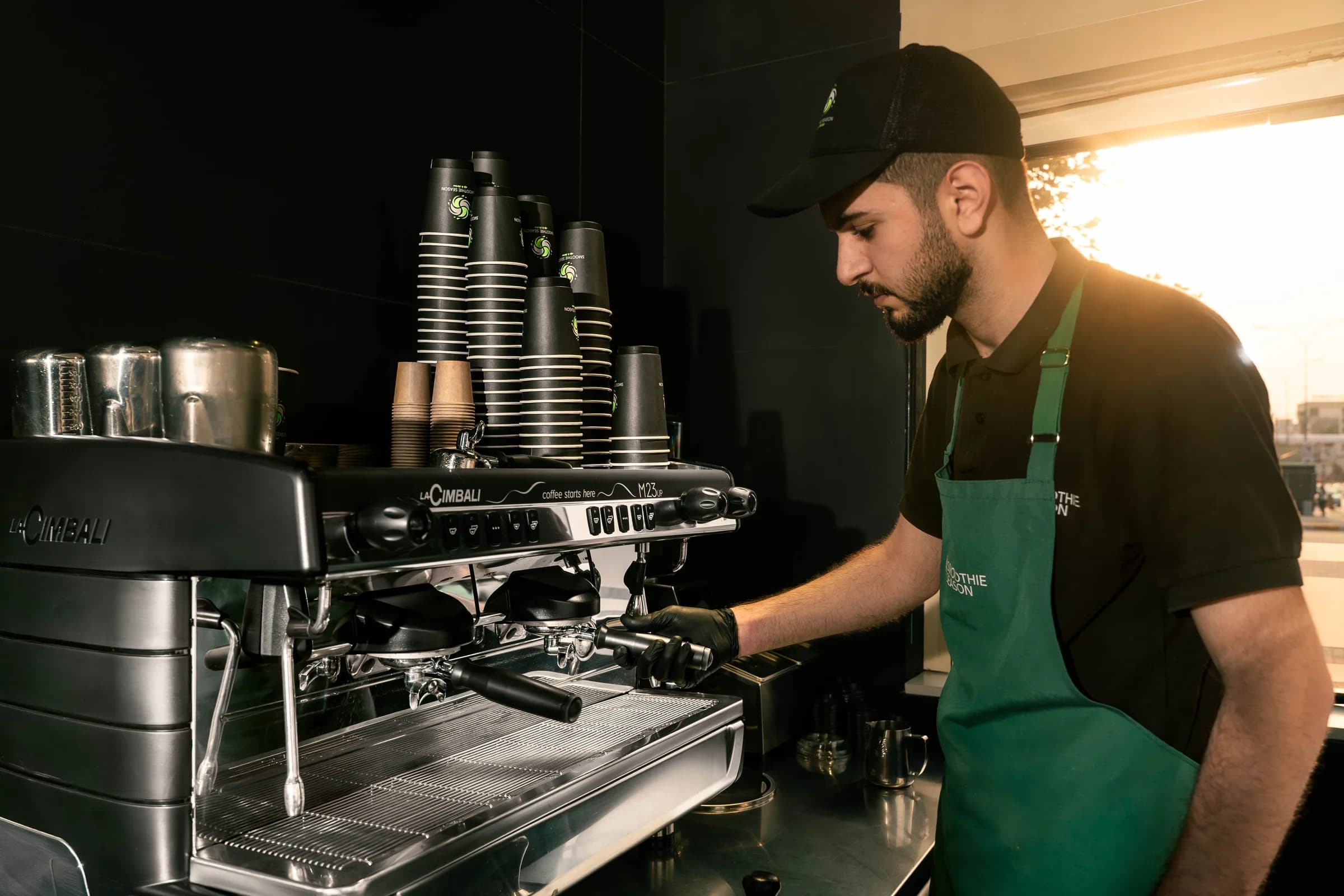
The situation: your best content is trapped in local camera rolls
A franchise brand with 50 or more locations has a built-in content advantage. Every day, local teams serve customers, complete projects, welcome new hires, support community events, and solve problems worth documenting.
Yet the corporate marketing team usually receives little of it. One franchisee posts regularly, six send occasional photos, and the rest stay silent until someone at headquarters asks for “content for social.”
That leaves you choosing between two weak options: reuse polished brand assets until they feel stale, or chase dozens of locations through email and group chats. Effective franchise content marketing requires a different operating model.
Your central team should own the prompts, standards, editing, and distribution. Local teams should capture raw moments while they happen. Asking franchisees to create finished marketing content adds work they aren't equipped or motivated to do.
Why the obvious approach fails
The obvious approach is to send a monthly email asking every location for photos and updates. It fails because the request is broad, disconnected from daily operations, and easy to postpone.
“Send us something for Instagram” forces a location manager to make too many decisions. They have to choose a subject, stage the shot, decide what looks good, write context, check permissions, and figure out where to upload everything.
Shared folders don't solve the underlying problem. They become dumping grounds filled with unlabeled images, duplicates, screenshots, expired promotions, and photos that can't be published because nobody documented consent.
Contests can produce a temporary spike, but they often reward the same highly engaged locations. You need a repeatable sourcing system that makes participation easier than ignoring the request.
A framework for sourcing content across 50+ locations
1. Define the content demand before contacting locations
Start with the posts your central team needs to publish, then work backward to the raw material required. Don't ask locations to invent your editorial strategy.
Build a simple demand map for the next four to six weeks. For each content theme, specify:
- The raw photo, clip, quote, or fact you need
- Which location types can provide it
- How often you need new material
- Any customer, employee, or brand permissions required
- Where the finished content will be used
For a home-services franchise, the themes might include before-and-after projects, technician tips, customer questions, team introductions, and community involvement. A fitness franchise might prioritize member milestones, coach demonstrations, class energy, and equipment explainers.
Limit the active themes. Five reliable content streams will outperform a spreadsheet containing 30 ideas that local teams never understand.
2. Assign one content captain and one backup per location
Requests sent to an entire location rarely produce action because nobody owns them. Give each location a named content captain and a backup.
The captain doesn't need marketing experience. Choose someone who works near the customer experience, uses a smartphone comfortably, and can spare 10 minutes twice a week. Front-desk staff, assistant managers, field supervisors, and coaches often make better contributors than franchise owners.
Your central team should maintain the roster and replace inactive captains quickly. When a contributor leaves, content collection shouldn't stop for two months while marketing searches for a new contact.
3. Turn content requests into capture assignments
Each request should tell the contributor exactly what to capture and how to capture it. Treat it like a short assignment, not an open-ended creative brief.
A useful assignment includes:
- One specific subject, such as a new employee's first week
- A short shot list, such as one vertical video and two candid photos
- Simple framing instructions, including orientation and lighting
- Two or three context questions for the caption
- A deadline tied to the moment
- Clear permission requirements
For example: “Capture a 10-to-15-second vertical clip of your technician preparing tools before the first appointment. Keep the phone steady, avoid customer addresses, and ask the technician: What job are you preparing for, and what's one step customers rarely see?”
That prompt removes creative guesswork while leaving room for the location's real people and environment to come through.
4. Use a baseline cadence plus event triggers
A weekly rhythm creates consistency, but a rigid calendar misses the moments that make local content valuable. Combine recurring requests with event-based triggers.
Send each location one manageable baseline assignment per week. Add prompts when a meaningful event occurs, such as:
- A grand opening or remodel
- A customer milestone
- A new hire or promotion
- A seasonal service rush
- A local sponsorship or fundraiser
- An unusual project or behind-the-scenes process
Connect triggers to information your organization already has. If operations knows that eight stores will reopen after renovations, marketing shouldn't discover it from public social posts two weeks later.
Avoid sending every prompt to every location. Route assignments by region, service mix, season, staffing, or recent contribution history. Fifty locations completing one relevant request each will give you more usable material than 200 locations receiving five generic reminders.
5. Make submission possible from a phone in under three minutes
Local contributors shouldn't need to rename files, open a desktop computer, or navigate six nested folders. Let them upload directly from a phone and answer a few structured questions.
Collect the metadata your editors need at submission:
- Location name or number
- Names and roles of featured people
- What is happening in the image or video
- Why the moment matters
- Permission status
- Relevant dates, offers, or local details
Use dropdowns where possible, but keep one short free-text field for texture. A detail such as “Maria has opened the store at 5:30 a.m. for nine years” can become the strongest line in the finished post.
6. Handle permission during capture
Permission can't be an editing-stage scavenger hunt. Contributors should know whether they can photograph a customer, employee, child, patient, property, or confidential work area before they press record.
Create rules for common scenarios and incorporate them into each assignment. Regulated and sensitive categories need stricter controls. A physical therapy franchise, for example, should never treat a patient's willingness to pose as sufficient documentation for marketing use.
Keep the process understandable enough to follow during a busy shift. Your content permission workflow should state who can consent, how you record it, how long you retain it, and which situations are prohibited outright.
7. Centralize enhancement and drafting
Raw local content should flow to a central brand team or approved production workflow. That's where you crop images, improve lighting, trim clips, add subtitles, verify claims, and draft channel-specific copy.
Don't make every location learn brand voice, accessibility standards, platform formatting, and publishing schedules. That creates uneven quality and turns participation into a marketing job.
Local review should focus on factual accuracy. Ask the location to confirm names, dates, claims, and context within a short window, such as 24 hours. Brand approval belongs with the central team unless a legal or regulatory review is required.
8. Score contributions by usability, not polish
A polished image isn't automatically useful, and a slightly crooked clip can contain an excellent customer story. Score submissions against criteria that help your team publish:
- Relevance to an active content theme
- Clear subject and understandable context
- Technical usability
- Confirmed permission
- Local specificity
- Freshness compared with recent posts
Share concise feedback with contributors. “Get closer and hold for three seconds” is useful. “Improve video quality” isn't.
Recognize locations for consistent, usable submissions rather than raw upload volume. Otherwise, you encourage people to send 40 nearly identical photos from one event.
9. Measure location participation as an operating metric
Follower growth won't tell you whether your sourcing system works. Track the health of the contribution pipeline separately from social performance.
Your dashboard should include:
- Active-location rate: locations that submitted at least once this month
- Assignment completion rate
- Usable-content rate
- Median time from request to upload
- Median time from upload to approved draft
- Publishing rate by location and content theme
- Contribution concentration across your network
Contribution concentration matters. If five locations supply 80% of your assets, you don't have a network-wide franchise content marketing system. You have five helpful franchisees.
Mini-example: 63 physical therapy clinics
Consider a fictional network called Harbor Point Physical Therapy. It has 63 clinics across four states, one central marketing manager, and two part-time contractors handling social content.
Before building a sourcing system, the team emailed a monthly request for patient success stories and staff photos. An average of nine clinics responded. Roughly half the submitted assets lacked enough context or documented permission to use.
Harbor Point appointed a content captain at each clinic and sent one assignment every Tuesday. In one week, clinics captured a therapist explaining a common mobility exercise. The next week, they submitted a team ritual or employee introduction. Patient-focused assignments only went to clinics trained on the approved consent process.
Each prompt requested one vertical clip, one photo, and answers to two questions. Uploads took about two minutes. The central team turned the raw material into edited clips, captioned posts, recruiting content, and regional story packages.
After eight weeks, 47 of 63 clinics had contributed at least once. The network collected 312 usable assets, drafted 84 location-specific posts, and reduced its median turnaround from 11 days to three. More important, no single clinic supplied more than 8% of the usable library.
The improvement didn't come from asking harder. Harbor Point reduced the number of decisions each clinic had to make.
How sharey fits into this playbook
Running this process through email, forms, shared drives, editing tools, and scheduling software creates avoidable handoffs. sharey gives you one workflow for sending guided capture assignments, collecting uploads with context, enhancing raw assets, drafting on-brand posts, and preparing them for scheduled publishing.
That lets your locations stay focused on capturing real moments while your central team retains brand and editorial control. You can see how sharey supports multi-location content collection without turning every franchisee into a social media manager.
Takeaway
For franchise content marketing at 50 or more locations, centralize the thinking and decentralize the capture. Give each location one owner, one precise weekly assignment, and a submission process that takes less than three minutes.
Frequently asked questions
- How often should you request content from franchise locations?
- Send one focused assignment per location each week, then add event-triggered requests only when they are relevant. A predictable, light cadence produces better participation than irregular batches of broad requests.
- Should franchisees publish their own social content?
- Franchisees can publish approved local content, but your central team should control prompts, brand standards, editing, and governance. Local teams are most valuable as sources of authentic moments and factual context.
- How do you get inactive franchise locations to contribute?
- Assign a named content captain, shorten submission to a few minutes, and send specific capture instructions. Track participation by location and replace inactive owners instead of sending more reminders to a shared inbox.
- What content should franchise locations capture?
- Prioritize people, processes, customer-safe stories, local events, team milestones, and behind-the-scenes moments. Match each request to an active editorial theme so your central team can turn the upload into a useful post.
Ready to turn moments into content, automatically?
sharey guides your team, partners, and customers on what to capture, then drafts and schedules on-brand posts from the raw uploads.
Or book a demo to see it in action.
Related reading
Using UGC Legally: A Guide to Image Rights in the EU
A practical consent-first guide to UGC image rights in the EU, covering GDPR, copyright, employee content, minors, and reusable permissions.
What Is User-Generated Content (UGC)? Benefits & Examples
Learn what user-generated content is, why it builds trust, and how brands collect and use customer photos, videos, reviews, and posts.
7 Reasons Stock Photos Are Killing Your Meta Ads Conversion
See why stock photos weaken Meta ads conversion rates and what to capture instead for more credible, specific, high-performing creative.